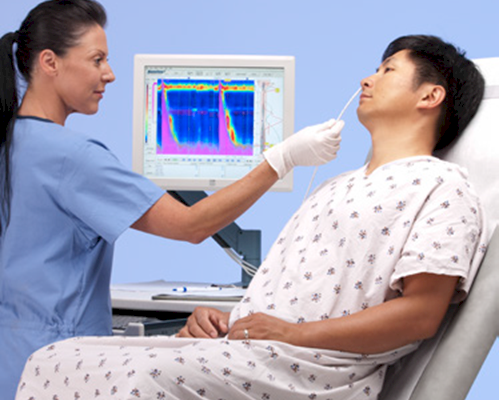
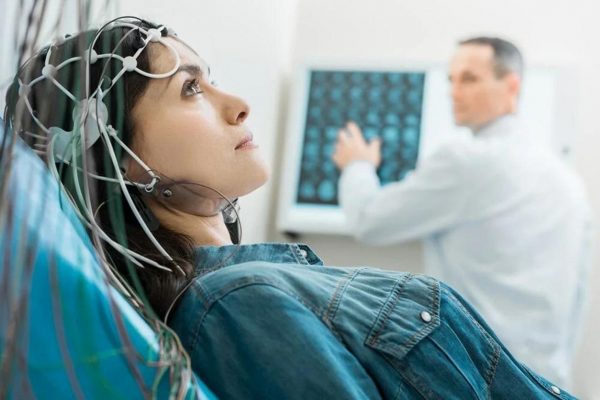
The IICMP has five Executive Committees, each representing a clinical measurement physiology profession,
Cardiac Physiology, Gastrointestinal Physiology, Neurophysiology, Respiratory Physiology and Vascular Physiology.
Executive Committee Members are selected through a
nomination process, overseen by the IICMP Board of Directors. The Chair of each Executive Committee also serve on the Board of Directors.
Each Executive committee meets virtually six to ten times per year to discuss profession-specific issues. Their primary role is to advocate for their profession, to inform the work of the Board of Directors, ensuring professional needs are represented and addressed through structured discussions and collaboration.
Key Functions of Executive Committees:
- Enhancing Communication: Ensuring the Board of Directors remain informed of profession-specific topics identified by members.
- Professional Development: Support members' Continuing Professional Development (CPD) to ensure alignment with evidence-based best practices.
- Strategic Planning: Contribute to the organisations’ long-term strategy while aligning committee decisions with professional goals.
- Expert Analysis & Recommendations: Provide informed insights and guidance on key issues, making recommendations to the Board of Directors.
- Executive Committee Reporting: Document activities, findings, and recommendations in reports submitted to the full board and AGM.
Each Executive Committee relies on the voluntary commitment of its members.
From time to time vacancies arise on the executive committees, and nominations are requested from interested members to apply. If you're interested in joining, please visit the Executive Committee pages for updates. When vacancies arise we will email the members of that profession to seek nominations.